In today’s fast-paced manufacturing environment, foundries face increasing pressure to deliver precision, speed, and consistency—without sacrificing quality. That’s where 3D scanning technology comes into play, transforming the traditional casting process from the inside out.
Starting Strong: Mold and Tooling Verification
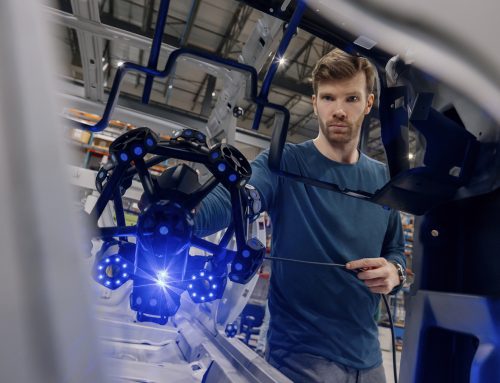
Every great casting begins with a precise mold. Traditionally, verifying mold geometry was time-consuming and error prone. With 3D scanners, foundries can now capture full-field 3D data of molds and tooling quickly and accurately. This helps teams detect any deviation from CAD models early—before it snowballs into defects down the line.
The result? Less rework, fewer delays, and a faster path to first-shot success.

Keeping Quality in Check
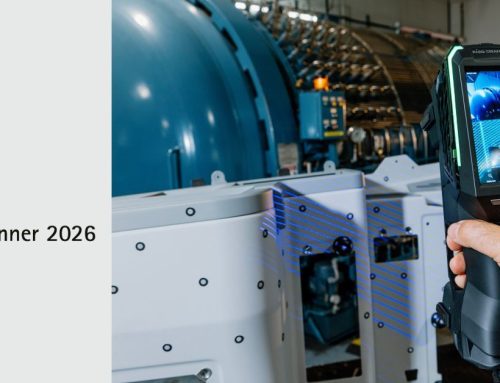
Once the castings roll off the line, inspection becomes critical. Unlike conventional CMMs that only measure limited points, 3D scanners generate a complete 3D image of the entire surface. This allows for comprehensive dimensional checks, faster quality control, and immediate visual comparisons with the original design.
You can catch warping, shrinkage, and surface imperfections in minutes—not hours.
When Things Go Wrong: Defect Analysis & Reverse Engineering
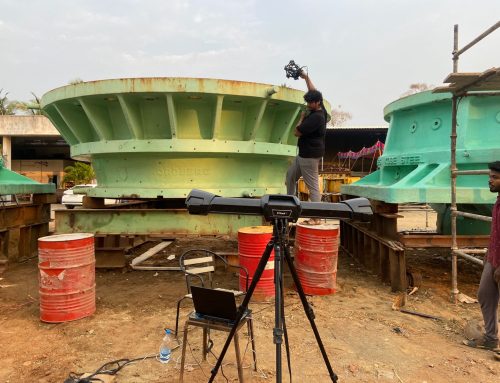
Even with the best processes, casting defects can happen. That’s where the diagnostic power of 3D scanning shines. Foundries can analyze problematic parts in full 3D to identify root causes—whether it’s tooling wear, mold misalignment, or something else. Plus, when original drawings are missing or outdated, 3D scanning enables reverse engineering to recreate legacy parts or improve outdated designs.

Monitoring Wear and Extending Equipment Life
Tools and molds don’t last forever—but what if you could predict when they’re nearing the end of their service life? By periodically scanning critical equipment, foundries can track wear over time and schedule maintenance proactively. This predictive approach prevents unexpected breakdowns and keeps operations running smoothly.
Why It Matters
3D scanning isn’t just a nice-to-have anymore—it’s becoming essential. It enhances every stage of casting, from mold setup to final inspection, offering higher quality, faster turnaround, and reduced scrap rates. And with more foundries embracing this tech, those that don’t may struggle to stay competitive.
Ready to future-proof your foundry?
Explore how 3D scanning can streamline your operations and elevate your output.
TWA 3D presents to provide convenience and the quickest solution in the manufacture of prototype and reverse engineering, inspection & portable CMM, empowering our customer to create with confidence.